Communication shapes everything in casino gaming. Your ability to read situations, ask the right questions, and interact effectively determines your overall experience. Players who master these skills enjoy better outcomes, stronger relationships with support teams, and fewer misunderstandings.
One Spanish player recently shared: “Cuando empecé en gametwistcasino.org, el Casino GameTwist me enseñó que el casino Game Twist y cualquier casino online requiere dominar el registro, inicio de sesión, y uso de la aplicación para aprovechar cada bono en España.” That perspective captures a fundamental truth about modern gambling platforms.
Good communication isn’t just talking. It’s knowing when to listen, when to ask for clarification, and how to present your concerns effectively. These skills protect your interests and make gaming more enjoyable.
Understanding Support Channel Hierarchies
Look, casinos give you like five different ways to reach them. Live chat. Email. Phone. Sometimes Twitter or whatever. And honestly? Most people screw this up from day one.
Live chat’s where you start for quick fixes. Your deposit vanished? Can’t log in? Just pop that chat window open. Takes two minutes, tops. They’re sitting there waiting. For anything else though—especially if you need to send screenshots or write out a whole saga—email your friend. You can think, type it all out, attach whatever. No pressure.
Phone’s different. That’s when you’re actually angry and need someone to hear it in your voice. Because let me tell you, typing “I’m frustrated” doesn’t hit the same as saying it. They can tell you’re serious. They’re not just reading another complaint ticket. You’re a real person, right there, and that changes everything.
Social media? Forget it. They’ll just copy-paste “Please DM us” or “Contact support.” Total waste of time. I learned that one the hard way.
The Art of Clear Problem Description
Okay, real talk. When you message support saying “it’s broken,” you’re basically asking them to be psychic. Which browser? What page? What error? They’ve got nothing to work with.
Compare that to: “I’m on Chrome, desktop, can’t get into the blackjack lobby—keeps throwing error 403.” Now they actually know what’s wrong. They can check their systems, look at logs, maybe fix it in minutes instead of playing twenty questions with you.
The first message should have everything. What you were doing, what broke, what device you’re on. Toss in your username (never your password, obviously). Got a screenshot? Even better. Send it all upfront. I’ve seen tickets resolve in one reply because someone just gave all the info immediately instead of this back-and-forth nonsense.
And here’s something nobody thinks about—timestamps. Don’t say “yesterday afternoon.” Yesterday afternoon in New York it was the middle of the night in Manila where the support guy might be. Write “December 29, 2025, at 3:47 PM EST” like a normal person giving actual information. Support can pull up exact transaction records when you’re specific. Vague times? They’re just guessing.
Managing Emotional Communication

Casino losses trigger emotional responses. These feelings are valid but expressing them poorly sabotages your goals. Take a breath before writing that angry email. Accusations of fraud put support staff on the defensive.
Frame concerns as questions instead of accusations. “Can you help me understand why five deposits failed?” works better than “Your payment system is garbage!” The first invites cooperation. The second invites dismissal.
Bonus disputes generate particular tension. Before reacting, reread the terms. If you still believe there’s an error, present your case calmly with reference to specific terms.
Reading Between the Support Lines
Support teams have their own language, and once you crack the code, you’ll never read their messages the same way again.
“We’ll look into this”? Translation: your problem’s at the bottom of the pile. They’re blowing you off politely. Now “This has been escalated to our payment team”—that’s different. That means someone with actual authority is checking it out. You got their attention.
The kiss of death is “Unfortunately, our terms are clear on this matter.” Game over. They’re done. That’s corporate-speak for “we’re not helping you, stop asking.”
You can also tell a lot from how they write back. Get some copy-paste template that starts with “Thank you for contacting us”? Yeah, they send that to everyone. Your issue’s probably standard policy stuff. But if someone writes back like an actual person, addressing your specific situation? That’s your opening. Push back. Ask questions. A real human is reading your messages and might actually help.
Pay attention when they give you deadlines. “We’ll update you within 48 hours” is solid—you can hold them to that. Come day three with no word? You’ve got ammo. But “as soon as possible”? That’s nothing. Could be tomorrow, could be never. They’re covering their ass with those vague promises.
Documenting Everything
Screenshot every significant interaction and transaction. Deposit confirmations, withdrawal requests, bonus notifications, chat transcripts—save them all. This evidence becomes crucial when disputes arise.
Many players learn this lesson too late. They claim a casino changed terms after they deposited. Without screenshots of the original terms, it’s your word against theirs. You’ll lose that fight.
Create a simple folder system. Organize by casino and date. When you need to prove something happened or was promised, you’ll have receipts. Platforms like Coincasino and CoinKings often validate these documented experiences through verified reviews at Truspilot.
Email creates automatic documentation, but chat conversations disappear unless you save them manually. At the end of every chat, request a transcript emailed to you. Most casinos comply automatically.
Escalation Tactics That Work
Sometimes the first person you talk to just can’t do anything. They don’t have the access or the authority. That’s when you escalate—but you gotta do it smart.
Stay polite. I know it sucks repeating yourself, but going nuclear doesn’t help. Try something like: “I get where you’re coming from, but this is really affecting my experience here. Can you connect me with a supervisor?” Works way better than screaming into the void.
Bring receipts. “Back on December 15th, agent Sarah told me X would happen. Still hasn’t. Can someone who actually makes decisions look at this?” When you reference specific dates and names, they can’t just brush you off. You’re proving this isn’t your first rodeo.
Timing matters too. Don’t escalate on a Monday morning when everyone’s scrambling. Hit them Wednesday through Friday, normal business hours. That’s when the senior people are actually working, not the weekend crew who can barely approve a free spin.
Cross-Cultural Communication Awareness
Here’s something most people don’t think about—your support agent could be literally anywhere. Philippines, Malta, Costa Rica, who knows. Different countries, different communication styles.
Keep it simple. Don’t say “the site’s buggy” to someone who learned English in school. They’re sitting there like “buggy? Like insects?” Just say “the website has technical errors.” Clear. Direct. Gets the job done.
And that lag in the chat? Those three-minute gaps where you’re sitting there wondering if they ghosted you? They’re juggling five different conversations at once. Maybe using Google Translate on the side. Cut them some slack. Getting impatient just makes everything take longer.
Community Communication Skills
Casino forums and chat rooms offer peer support and shared knowledge. Don’t hijack threads with unrelated problems. If the discussion is about poker strategy, don’t complain about slow withdrawals.
Search before asking. Your “unique” problem has probably been addressed twenty times. When you do ask questions, provide context and show you’ve attempted to solve the problem yourself. Verify information before acting on peer advice. Casino terms change regularly.
The Power of Positive Communication
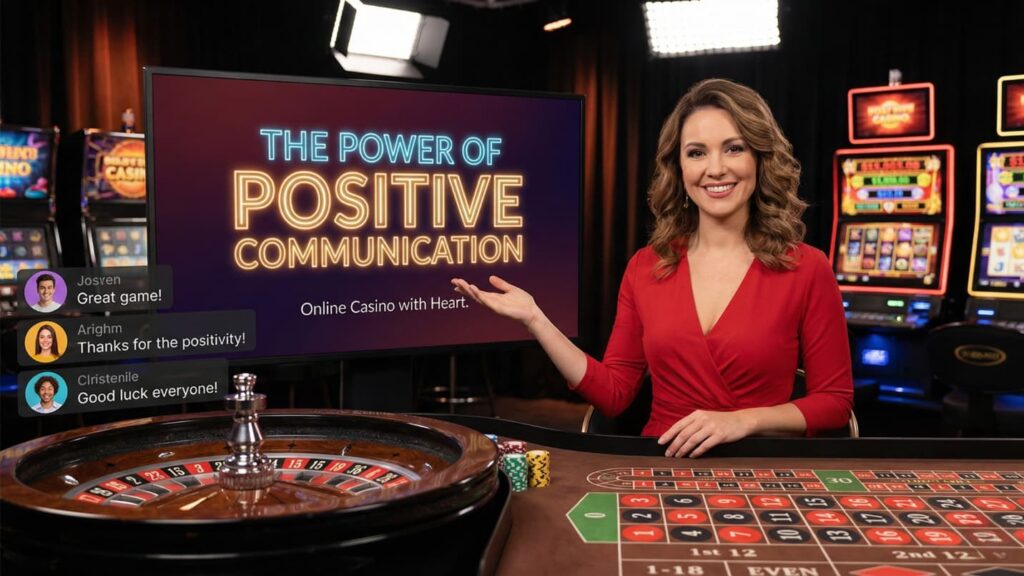
When things go right, acknowledge it. Send a quick message thanking the support agent who resolved your issue. These notes get noticed by management and improve how your account is perceived.
Positive reviews on third-party sites help the casino and future players. Share good experiences at places like en Multijuegos. The casino Multijuegos and similar casino Multi juegos platforms benefit from balanced, honest feedback.
This goodwill creates social capital. The player known for reasonable, appreciative communication gets better treatment than the chronic complainer. It’s basic human psychology applied to customer service.
Conclusion
Mastering casino communication isn’t complicated, but it requires intentionality. Speak clearly, document everything, manage emotions, understand cultural contexts, and build positive relationships. These strategies prevent most problems and resolve the rest efficiently.
The players who thrive aren’t necessarily the luckiest or most skilled gamblers. They’re often the ones who communicate effectively with casinos, support teams, and fellow players. That social intelligence translates directly into better gaming experiences.